Retail Fulfillment: How to Create a Seamless Process
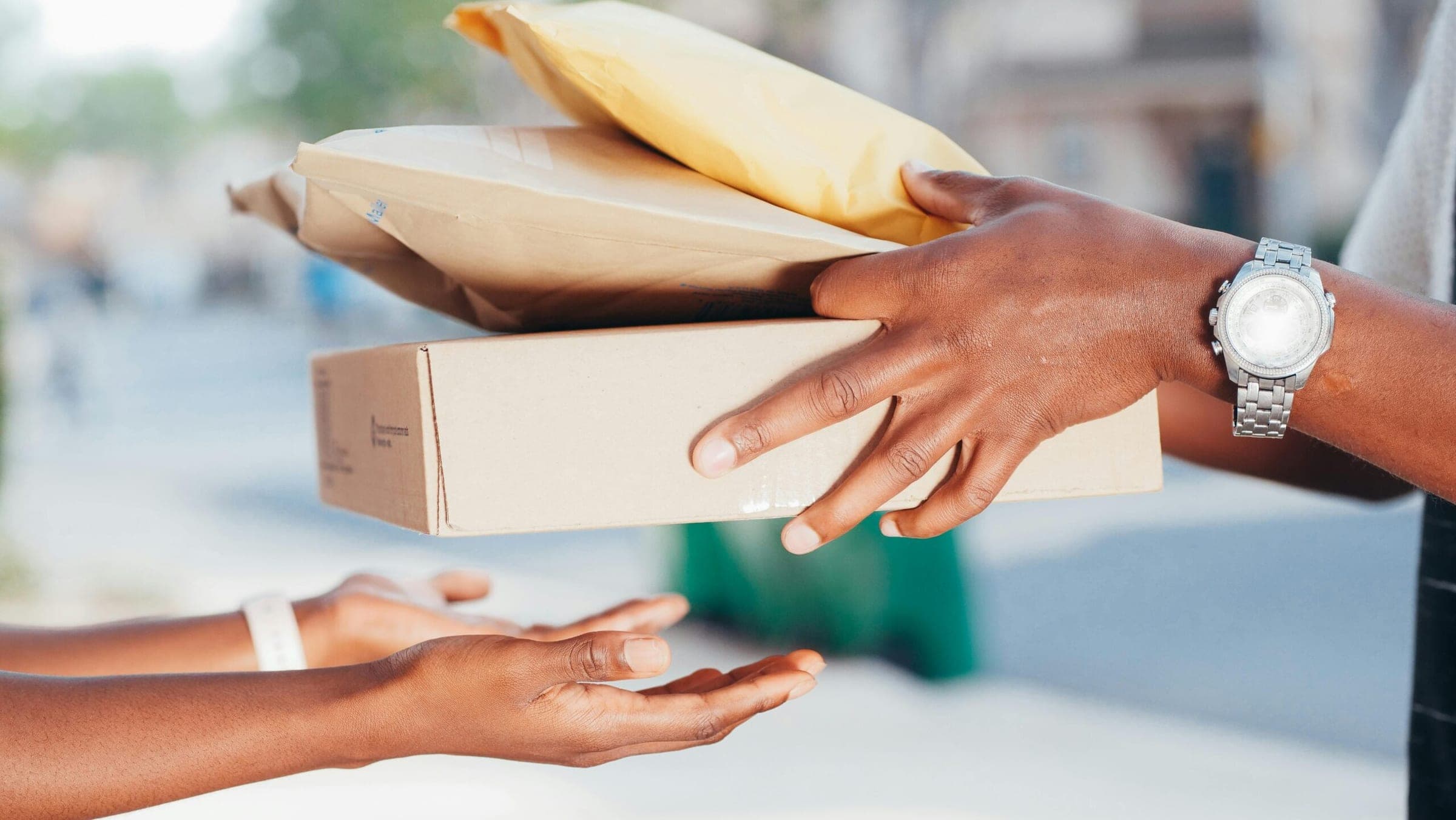
Fast, accurate fulfillment is essential in today’s retail environment, and physical stores are playing an increasingly important role. Retail fulfillment has evolved beyond the warehouse, with stores now picking, packing, and shipping orders, managing BOPIS and curbside pickup, and handling returns and transfers, all while serving in-store customers.
When done well, retail fulfillment improves the customer experience, builds loyalty, streamlines operations, reduces costs, and supports sustainability.
In this article, we explore what retail fulfillment is, how it works, and how retailers can scale fulfillment without adding complexity for store teams.
This post covers:
- What Is Retail Fulfillment?
- Key Components of Effective Retail Fulfillment
- How the Retail Fulfillment Process Works
- Common Retail Order Fulfillment Challenges
- Benefits of an Effective Retail Fulfillment Strategy
- Scale With NewStore’s Retail Fulfillment Solutions
- Retail Fulfillment FAQs
What Is Retail Fulfillment?
Retail fulfillment is the comprehensive process of receiving, processing, and delivering orders to customers. It encompasses a series of activities aimed at ensuring that products reach customers efficiently and accurately, whether delivered to their door or picked up in store.
The ultimate goal of retail fulfillment is to enhance the customer experience, while managing inventory effectively and reducing shipping times and costs.
Key Components of Effective Retail Fulfillment
Effective retail fulfillment depends on accurate inventory management, a connected order management system, flexible logistics that route orders to the right location, and strong customer service.
These capabilities work best when the underlying systems are connected, giving store teams, logistics partners, and customers a shared, accurate view of every order.
Inventory management
Inventory management is the backbone of retail fulfillment. It involves tracking and managing stock levels in real time across stores and other locations, ensuring products are available when and where customers need them and that store teams have accurate data to fulfill orders reliably.
Key practices include:
- Real-time inventory tracking: Utilize software to obtain real-time updates on stock levels to prevent overselling and stockouts.
- Endless aisle: Have a view of inventory at all locations to limit instances where you have to tell a customer no.
- Demand forecasting: Analyze historical sales data to predict future demand and adjust inventory levels accordingly.
- Reorder point optimization: Set optimal reorder points to ensure timely replenishment without overstocking.
- Cycle counting: Regularly counting portions of inventory to maintain accuracy without disrupting operations.
Order management system
An order management system (OMS) is essential for handling the lifecycle of customer orders from placement to fulfillment. It connects inventory, store operations, and customer communications so that orders are routed, tracked, and updated without manual intervention.
Key features include:
- Order processing: Automate the order processing workflow to ensure quick and accurate handling of orders.
- Inventory visibility: Provide visibility into inventory across all sales channels to prevent overselling.
- Customer updates: Keep customers informed with order status updates, from confirmation to delivery.
Logistics and transportation
Delivering products to customers involves effectively managing logistics and transportation, including routing orders to the fulfillment location best suited to serve them, whether a warehouse, a store, or a combination of both.
Key components include:
- Carrier selection: Choose reliable carriers based on cost, speed, and reliability.
- Fulfillment options: Give customers a choice in how they receive their orders, whether it’s delivered to their home or picked up in store.
- Shipping speeds: Offering multiple shipping options, including standard, expedited, and same-day delivery.
- Route optimization: Develop intelligent algorithms or rules to route orders to the most appropriate fulfillment location based on factors such as inventory availability, proximity to the customer, and cost-effectiveness.
- Tracking and transparency: Providing customers with tracking information to monitor their shipments in real-time.
Customer service and communication
Excellent customer service and communication are vital for resolving issues quickly and maintaining customer trust.
Key practices include:
- Multi-channel support: Offer support through various channels such as phone, email, live chat, and social media.
- Proactive communication: Keep customers informed about their order status, any delays, or issues proactively.
- Return management: Simplify the returns process by providing clear instructions to enhance customer satisfaction and offering customers choice in how they return their order.
- Feedback mechanisms: Collect and analyze customer feedback to continuously improve the fulfillment process.
How the Retail Fulfillment Process Works
The retail fulfillment process typically involves order placement, processing, routing, picking and packing, shipping, and returns management.
1. Order placement
The process begins when a customer places an order through an online store, mobile app, or at a physical retail location.
The order details, including product selection, quantity, and shipping information, are captured and sent to the retailer’s OMS.
Omnichannel inventory management systems are key for successful retail fulfillment, as they centralize inventory data to ensure real-time visibility into stock levels across physical stores, online platforms, and other distribution channels.
2. Order processing
The OMS verifies the order, confirming that the payment is successful and the requested items are available in stock. Accurate inventory management prevents stockouts and overstock situations, ensuring optimal inventory levels.
Once verified, the system updates the inventory levels to reflect the new order. Packing slips and shipping labels are generated at this stage.
3. Order routing
With accurate inventory data, orders are routed to the most appropriate fulfillment location based on inventory availability, proximity to the customer, and cost-effectiveness. This includes routing to stores, which can fulfill orders faster and at lower cost than a central warehouse for nearby customers. Getting routing right reduces shipping times, cuts costs, and supports more sustainable fulfillment.
4. Picking and packing
Items are selected from their storage location based on the pick list, whether in a warehouse or on the store floor. Once picked, items are taken to the packing area, where they are securely packed for shipment, along with any necessary documentation such as invoices or return labels. In a store environment, guided workflows help associates pick and pack accurately alongside their regular responsibilities.
5. Shipping, pickup, and delivery
Packed orders are labeled with the appropriate shipping information and handed over to shipping carriers or prepared for customer pickup. Retailers often work with multiple carriers to offer various shipping options, such as standard, expedited, or same-day delivery.
Timely and accurate delivery is crucial for customer satisfaction. Customers should receive tracking information to monitor the progress of their shipment.
Additionally, customers should be offered multiple fulfillment options, including the ability to buy online, pick up in-store (BOPIS), utilize curbside pickup, or have items delivered to their doorstep. For in-store pickup, associates prepare orders for collection, notify customers when they're ready, and complete the handoff when customers arrive.
6. Returns management
A seamless retail fulfillment process also includes a straightforward returns process. Customers should be able to return products easily, with clear instructions and prepaid return labels where applicable. They should also be able to return items to the store, whether purchased online or at a brick-and-mortar location. Returned items are processed back into inventory or designated for refurbishment or disposal.
Common Retail Order Fulfillment Challenges
The biggest challenges in retail fulfillment include managing inventory accurately across locations, routing orders to the right location, minimizing pick and pack errors, meeting customer expectations for speed and transparency, and scaling store fulfillment without overloading teams.
Inventory accuracy
Reliable fulfillment starts with accurate, real-time inventory data. Without a unified view of stock across stores and warehouses, brands risk routing orders to locations where items are not actually available, leading to delays, cancellations, and a poor customer experience.
Disconnected systems and store workflows
Many retailers operate with separate tools for OMS, inventory, point of sale (POS), and customer communications that do not share data in real time. This makes it hard to route orders intelligently, keep customers informed, and give store teams the visibility they need to fulfill accurately and on time.
When fulfillment tasks require separate tools from the everyday POS experience, store teams are forced to switch between systems, slowing them down and increasing the risk of errors. Fulfillment works best with retail fulfillment software that connects store operations, inventory, and order management in one place.
Fulfillment errors and exceptions
Even well-run fulfillment operations encounter exceptions, such as when an item is not where it should be, inventory data is outdated, or a pick cannot be completed. Without guided workflows and automatic rerouting, these exceptions require manual intervention and create delays.
Errors in picking, packing, and shipping can also lead to customer dissatisfaction and increased return rates. In a store environment, where associates are balancing fulfillment tasks alongside serving in-store customers, guided workflows are essential to maintaining accuracy without slowing teams down.
Meeting delivery expectations
Meeting customer expectations for delivery speed is one of the most persistent challenges in retail fulfillment, particularly when it comes to last-mile delivery, which is often the most expensive and complex part of the process. Routing orders to the nearest store rather than a central warehouse can significantly reduce both delivery times and costs.
Returns and exchanges
Returns are a natural part of the fulfillment lifecycle, but managing them across channels adds complexity. When a customer returns an online order to a store, associates need visibility into the original order, the ability to process the return within their existing workflow, and a way to update inventory in real time. Without connected systems, returns create manual work, inventory discrepancies, and a slower experience for both the customer and the store team.
Sustainability
Implementing sustainable practices in packaging, transportation, and overall operations is increasingly important but can be costly. Consumers are becoming more environmentally conscious, and brands need to balance sustainability with cost-effectiveness. Fulfilling orders from stores closer to the customer is one way to reduce shipping distances and emissions.
Benefits of an Effective Retail Fulfillment Strategy
An effective retail fulfillment strategy helps retailers improve efficiency, reduce costs, and deliver a better customer experience.
- Faster delivery: Using stores as fulfillment locations brings inventory closer to customers, enabling faster shipping and convenient pickup options.
- Better customer experience: Flexible fulfillment options, accurate delivery estimates, and real-time order updates give customers more control and confidence in their purchases.
- Lower fulfillment costs: Intelligent order routing reduces shipping distances and unnecessary transfers. Connected workflows also minimize manual tasks and costly fulfillment errors.
- Greater scalability: Connected systems help retailers manage growing order volumes and seasonal demand without overwhelming store teams or adding operational complexity.
- Improved sustainability: Fulfilling orders closer to customers can reduce shipping distances and associated emissions. Better inventory management can also help minimize waste and unnecessary transportation.
Scale Store Fulfillment With NewStore’s Retail Fulfillment Solutions
Scaling store fulfillment across channels shouldn't mean adding complexity for store teams. NewStore makes fulfillment a natural part of everyday store operations.
With fulfillment workflows built into the POS, associates can manage BOPIS, ship-from-store, transfers, and returns alongside selling. Real-time inventory data and intelligent order routing account for stock availability, store capacity, and operating hours, while guided workflows and automatic rerouting help resolve exceptions without unnecessary manual work.
By connecting OMS, inventory, POS, and customer communications, NewStore keeps teams and customers informed throughout the fulfillment process, helping brands improve customer satisfaction and loyalty.
For example, Australian luxury brand Oroton reduced unfulfilled orders by up to 90% after moving its POS and OMS onto NewStore. Store fulfillment now accounts for 12% of its store sales.
Contact us to see how NewStore can scale fulfillment without overloading store teams or compromising the customer experience.
Retail Fulfillment FAQs
1. What are the different types of retail fulfillment?
Common retail fulfillment models include warehouse fulfillment, ship-from-store, buy online, pick up in-store (BOPIS), and ship-to-store. Many retailers combine these approaches to offer customers more flexibility while making better use of inventory across locations.
2. What is the difference between retail fulfillment and omnichannel fulfillment?
Retail fulfillment refers to the process of preparing and delivering customer orders. Omnichannel fulfillment connects inventory, orders, and operations across physical stores, ecommerce, and other channels so customers can shop and receive purchases however they prefer.
3. What is store fulfillment?
Store fulfillment allows retailers to use physical stores to fulfill online orders through BOPIS, ship-from-store, and other services. Store associates pick, pack, and prepare orders using available store inventory, allowing retailers to fulfill orders closer to customers.
4. How can retailers improve fulfillment efficiency?
Retailers can improve fulfillment efficiency by maintaining accurate inventory data, automating order routing, and integrating fulfillment tasks into existing store workflows. Connected POS and order management systems help reduce manual work, prevent fulfillment errors, and improve order visibility.

What Is a BOPIS Order?
We cover how buy online pickup in-store (BOPIS) works and why you need to offer it as a fulfillment strategy.
Mar 12, 2025
Endless Aisle for Retail Brands: Deploying an Omnichannel Strategy For Your Stores
Endless aisle allows store associates to offer in-store customers the ability to purchase out-of-stock items from other locations.
Mar 2, 2025
Order Routing: How Retail Brands Can Optimize Fulfillment
We discuss how order routing works and why it’s needed for retail brands to succeed today.
Nov 19, 2024